
Basic Life Support training
 

A Complete Guide to Basic Life Support Training and Life-Saving Emergency Skills

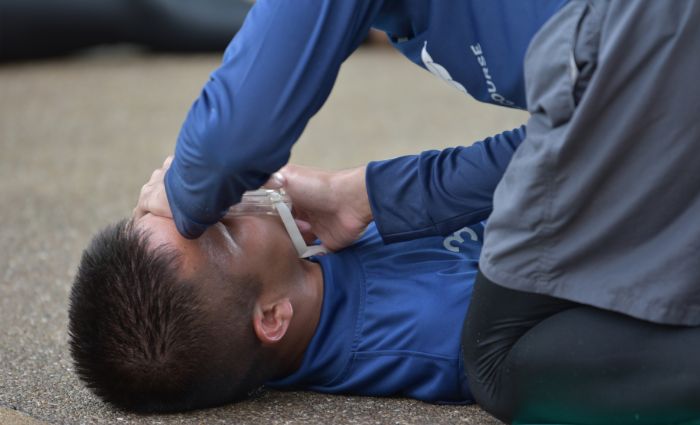
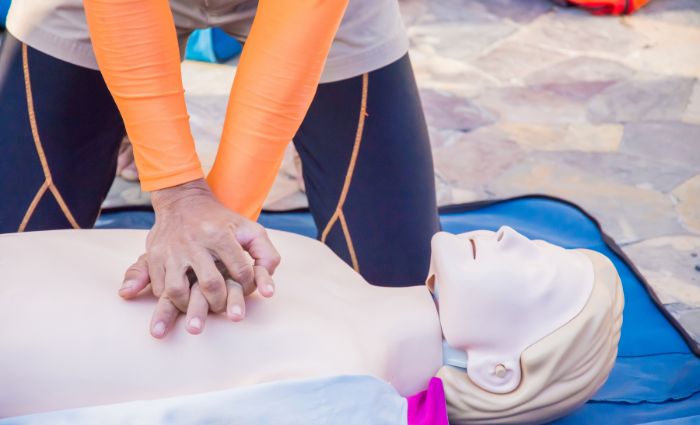
A Complete Guide to Basic Life Support Training and Life-Saving Emergency Skills In today’s fast-paced world, medical emergencies can occur anytime and anywhere. Whether it is a sudden cardiac arrest, choking, or respiratory failure, immediate action can save lives. This is where Basic Life Support (BLS) training becomes essential. NIAC offers structured and practical BLS programs designed to equip healthcare professionals and first responders with critical life-saving skills. Importance of BLS Training Understanding the importance of BLS training and mastering key interventions can significantly improve survival outcomes during emergencies. The importance of BLS training lies in its ability to prepare individuals to respond effectively during the first few crucial minutes of an emergency. In many cases, professional medical help may take time to arrive. BLS-trained individuals can step in immediately, providing essential care that stabilizes the patient. NIAC’s training programs emphasize early recognition of emergencies, rapid response, and adherence to standardized protocols, ensuring that participants are ready to act without hesitation. CPR Life Saving Techniques One of the core components of BLS is mastering CPR life saving techniques. Cardiopulmonary resuscitation (CPR) is a critical intervention used when a person’s heart stops beating. By performing chest compressions and rescue breaths, CPR helps maintain blood circulation and oxygen supply to vital organs, especially the brain. NIAC’s BLS training provides hands-on practice in CPR techniques, ensuring correct compression depth, rate, and ventilation methods. Participants also learn how to use Automated External Defibrillators (AEDs), which can restore normal heart rhythm in cardiac arrest cases. In addition to CPR, BLS training covers a range of emergency skills that are vital in real-life situations. These include airway management, handling choking incidents, and assisting individuals experiencing breathing difficulties. NIAC ensures that trainees are exposed to realistic scenarios, enabling them to apply their knowledge in high-pressure environments. This practical approach builds confidence and enhances decision-making abilities during emergencies. Another critical aspect of BLS training is the ability to recognize warning signs early. Identifying symptoms such as chest pain, unresponsiveness, or abnormal breathing allows for immediate intervention. NIAC’s programs focus on teaching participants how to assess a situation quickly and prioritize actions effectively. This early response can prevent complications and increase the chances of survival. Teamwork and coordination are also emphasized in BLS training. In many emergency situations, multiple responders may be involved. Clear communication and role allocation are essential for efficient management. NIAC incorporates team-based exercises into its training modules, helping participants understand how to work together seamlessly during critical moments. The importance of BLS training extends beyond healthcare professionals. While doctors, nurses, and paramedics benefit greatly from these skills, BLS training is equally valuable for non-medical individuals. Security personnel, teachers, corporate employees, and community members can all play a vital role in emergency response. NIAC’s inclusive training approach ensures that a wider population is equipped with essential life-saving skills, contributing to safer communities. NIAC stands out for its commitment to high-quality training and practical learning. The BLS programs are conducted by experienced instructors who follow updated guidelines and best practices. Participants receive hands-on training using advanced mannequins and simulation tools, ensuring they are well-prepared for real-world emergencies. The focus is not just on theoretical knowledge but on building confidence and competence in applying CPR life saving techniques and other emergency interventions. Another advantage of NIAC’s BLS training is its structured certification process. Participants who successfully complete the program receive certification, which is often required by healthcare institutions and organizations. This certification reflects a standard level of competence and readiness to handle emergencies effectively. Conclusion Basic Life Support training is a critical skill set that can save lives during emergencies. By understanding the importance of BLS training, mastering CPR life saving techniques, and developing essential emergency response skills, individuals can make a significant difference in critical situations. NIAC’s comprehensive BLS programs empower participants with the knowledge, skills, and confidence needed to act swiftly and effectively. In moments where every second counts, being trained in BLS is not just beneficial—it is life-saving.
Basic Life Support
 

Why BLS Training is Essential for Healthcare Professionals and First Responders – NIAC

Why BLS Training is Essential for Healthcare Professionals and First Responders – NIAC In emergency medical situations, the ability to respond quickly and effectively can make the difference between life and death. This is why a BLS training course is a fundamental requirement for healthcare professionals and first responders. Basic Life Support (BLS) focuses on immediate life-saving interventions such as CPR, airway management, and the use of automated external defibrillators (AED). NIAC offers comprehensive training programs that lead to basic life support certification, ensuring participants are fully equipped to handle real-life emergencies with confidence and precision. One of the most critical components of any BLS training course is CPR training. Cardiopulmonary resuscitation is often the first intervention in cases of cardiac arrest, and timely administration can significantly improve survival rates. NIAC’s CPR training emphasizes correct technique, rhythm, and depth of compressions, along with rescue breathing and AED usage. By mastering these skills, healthcare professionals and first responders can maintain circulation and oxygen supply until advanced care becomes available. A structured BLS training course not only teaches techniques but also enhances the ability to recognize emergencies early. Identifying signs of cardiac arrest, respiratory distress, or airway obstruction allows responders to act immediately. NIAC ensures that its participants understand these early warning signs and are trained to initiate appropriate interventions without delay. This proactive approach is crucial in reducing complications and improving patient outcomes. Basic Life Support Certification Obtaining a basic life support certification is also essential for maintaining professional standards in healthcare. Many hospitals and healthcare organizations require their staff to be BLS-certified to ensure readiness in emergency situations. NIAC’s certification programs are aligned with recognized guidelines and include both theoretical knowledge and hands-on practice. This ensures that participants are not only certified but also competent in applying their skills in real-world scenarios. For first responders such as paramedics, ambulance personnel, and emergency staff, BLS training serves as the foundation of pre-hospital care. These individuals are often the first to reach a patient, and their actions in the initial minutes are critical. NIAC’s training programs focus on practical simulations and scenario-based learning, enabling responders to perform effectively under pressure. Through repeated practice and expert guidance, participants gain the confidence needed to manage emergencies efficiently. Another key benefit of BLS training is improved teamwork and coordination. In emergency situations, multiple responders often work together. A shared understanding of BLS protocols ensures smooth communication and efficient role allocation. NIAC incorporates team-based training exercises that reflect real-life emergency conditions, helping participants develop coordination and leadership skills. BLS Training BLS training also plays a significant role in expanding emergency preparedness beyond clinical settings. With the right CPR training and certification, individuals can respond to emergencies in public places, workplaces, or even at home. This broader impact contributes to creating safer communities where more people are capable of providing immediate assistance when needed. NIAC stands out in delivering high-quality BLS training courses through experienced instructors, updated protocols, and hands-on learning methods. Participants are trained using advanced mannequins and realistic simulations, ensuring that they are well-prepared for actual emergencies. The focus is not just on passing a certification but on building life-saving competence. Conclusion Enrolling in a BLS training course, obtaining basic life support certification, and mastering CPR training are essential steps for healthcare professionals and first responders. These skills empower individuals to act decisively during critical moments, ultimately saving lives. NIAC’s commitment to delivering comprehensive and practical training ensures that every participant is equipped with the knowledge, skills, and confidence required to handle emergencies effectively.
 

Empowering Everyday Heroes: The Vital Role of Basic Life Support

Empowering Everyday Heroes: The Vital Role of Basic Life Support Basic Life Support (BLS). Often the first line of defense in emergencies, BLS is not just a set of skills; it is a beacon of hope wielded by everyday heroes. Let’s explore the vital role of Basic Life Support, the gateway to saving lives in critical moments. Foundations of Basic Life Support: Basic Life Support is the cornerstone of emergency care, providing immediate assistance to individuals facing life-threatening situations. Rooted in simplicity yet possessing profound impact, BLS techniques are designed for anyone, regardless of medical expertise, to administer crucial aid until professional help arrives. The ABCs of BLS: At the core of BLS lies a simple yet systematic approach encapsulated in the ABCs — Airway, Breathing, and Circulation. Initiating with checking the Airway for obstructions, assessing Breathing, and ensuring Circulation through chest compressions forms the fundamental triad that can make a life-or-death difference in critical moments. Empowering Everyday Heroes: One of the remarkable aspects of BLS is its accessibility to everyone. You don’t need to be a medical professional to be a hero. BLS empowers individuals from all walks of life — parents, teachers, coworkers, and bystanders — to step in as first responders during emergencies, bridging the crucial gap until professional medical assistance arrives. Hands-Only CPR: Making a Difference: Cardiopulmonary Resuscitation (CPR) is a central component of BLS, and the concept of Hands-Only CPR has emerged as a game-changer. Simplifying the process, it emphasizes uninterrupted chest compressions to maintain blood circulation, making it more likely for bystanders to step in and provide immediate aid. Defibrillation: Shocking Moments to Save Lives: In certain emergencies, the use of automated external defibrillators (AEDs) becomes paramount. BLS training includes the proper use of AEDs, empowering individuals to deliver electric shocks when necessary, restoring the heart’s rhythm and significantly improving the chances of survival in cases of sudden cardiac arrest. Training for Preparedness: While BLS techniques are simple, proper training is essential. BLS courses are widely available, equipping individuals with the skills and confidence needed to respond effectively to emergencies. These courses cover not only CPR and AED use but also the crucial aspects of recognizing signs of distress and activating emergency medical services. BLS for Caregivers: Essential Skills for Everyday Heroes: When we think of heroes, we often picture caped crusaders or action movie stars. But let’s be real: the true heroes are often those who care for others every day. Whether you’re a family member, a friend, or a professional caregiver, your role is vital. One of the most important skills you can have is Basic Life Support (BLS). This is not just a certification; it’s a lifeline. So, let’s dive into why BLS is essential for caregivers like you. BLS training is not just for medical professionals: It’s designed for everyday heroes like you. You may think, “I’m just a caregiver; I don’t need to know this.” But the truth is, emergencies can happen anywhere, anytime. Whether you’re at home, in a park, or at a family gathering, being prepared can mean the difference between life and death. So, don’t underestimate your ability to make a significant impact with the right knowledge. Key BLS Skills Every Caregiver Should Master: Now that you know why BLS is crucial, let’s talk about the specific skills you should master. First up is CPR, or cardiopulmonary resuscitation. This technique can help keep blood flowing to vital organs when someone’s heart stops. Learning how to perform chest compressions and rescue breaths is empowering. You’ll feel more prepared to handle emergencies, and that confidence can be contagious! The Joy of Being Prepared: There’s something wonderfully reassuring about being prepared. Think of it as having a superhero toolkit. When you know BLS, you’re not just a caregiver; you’re a prepared caregiver. You’re equipped to handle emergencies with grace and poise. Plus, the skills you learn can extend beyond your caregiving duties. You’ll find yourself more aware of safety practices in everyday life, from cooking to outdoor activities. Being trained in BLS can also create a sense of community. You might find yourself encouraging friends and family to take a class with you. Imagine the bonding experience of learning these essential skills together! You’ll not only be enhancing your own abilities but also creating a network of prepared individuals who can support one another in times of need. Who knows, you might even inspire someone to become a caregiver themselves! So, what are you waiting for? If you haven’t already, consider enrolling in a BLS course. Many organizations offer classes that fit your schedule. You’ll learn from experienced instructors and practice hands-on techniques. Plus, you’ll walk away with a certification that showcases your commitment to safety and care. Being a caregiver is a noble calling, and having BLS skills makes you an even bigger hero in your loved ones’ eyes. Community Impact: The ripple effect of BLS extends beyond individual responses. Communities that prioritize BLS training create a network of preparedness. Schools, workplaces, and public spaces that champion BLS training contribute to a culture of safety, fostering a community of everyday heroes ready to respond when seconds count. Conclusion: In the delicate balance between life and its fragility, Basic Life Support emerges as a powerful force, turning ordinary individuals into heroes. By arming ourselves with the fundamental ABCs of BLS, we become stewards of life, ready to intervene in critical moments. BLS is more than a set of skills; it is a collective commitment to creating a world where everyone has the potential to be a lifesaver, making each community a safer and more resilient haven for all.

Contact Us

(24/7 Support Line)
10am-> 05 pm
Democracy Blvd.

Follow Us