
Why BLS Training is Essential for Healthcare Professionals and First Responders – NIAC
In emergency medical situations, the ability to respond quickly and effectively can make the difference between life and death. This is why a BLS training course is a fundamental requirement for healthcare professionals and first responders. Basic Life Support (BLS) focuses on immediate life-saving interventions such as CPR, airway management, and the use of automated external defibrillators (AED). NIAC offers comprehensive training programs that lead to basic life support certification, ensuring participants are fully equipped to handle real-life emergencies with confidence and precision.
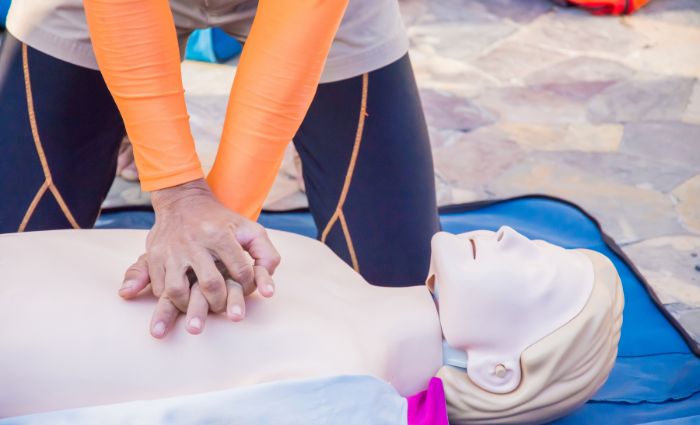
One of the most critical components of any BLS training course is CPR training. Cardiopulmonary resuscitation is often the first intervention in cases of cardiac arrest, and timely administration can significantly improve survival rates. NIAC’s CPR training emphasizes correct technique, rhythm, and depth of compressions, along with rescue breathing and AED usage. By mastering these skills, healthcare professionals and first responders can maintain circulation and oxygen supply until advanced care becomes available.
A structured BLS training course not only teaches techniques but also enhances the ability to recognize emergencies early. Identifying signs of cardiac arrest, respiratory distress, or airway obstruction allows responders to act immediately. NIAC ensures that its participants understand these early warning signs and are trained to initiate appropriate interventions without delay. This proactive approach is crucial in reducing complications and improving patient outcomes.
Basic Life Support Certification
Obtaining a basic life support certification is also essential for maintaining professional standards in healthcare. Many hospitals and healthcare organizations require their staff to be BLS-certified to ensure readiness in emergency situations. NIAC’s certification programs are aligned with recognized guidelines and include both theoretical knowledge and hands-on practice. This ensures that participants are not only certified but also competent in applying their skills in real-world scenarios.
For first responders such as paramedics, ambulance personnel, and emergency staff, BLS training serves as the foundation of pre-hospital care. These individuals are often the first to reach a patient, and their actions in the initial minutes are critical. NIAC’s training programs focus on practical
simulations and scenario-based learning, enabling responders to perform effectively under pressure. Through repeated practice and expert guidance, participants gain the confidence needed to manage emergencies efficiently.
Another key benefit of BLS training is improved teamwork and coordination. In emergency situations, multiple responders often work together. A shared understanding of BLS protocols ensures smooth communication and efficient role allocation. NIAC incorporates team-based training exercises that reflect real-life emergency conditions, helping participants develop coordination and leadership skills.
BLS Training
BLS training also plays a significant role in expanding emergency preparedness beyond clinical settings. With the right CPR training and certification, individuals can respond to emergencies in public places, workplaces, or even at home. This broader impact contributes to creating safer communities where more people are capable of providing immediate assistance when needed.
NIAC stands out in delivering high-quality BLS training courses through experienced instructors, updated protocols, and hands-on learning methods. Participants are trained using advanced mannequins and realistic simulations, ensuring that they are well-prepared for actual emergencies. The focus is not just on passing a certification but on building life-saving competence.
Conclusion
Enrolling in a BLS training course, obtaining basic life support certification, and mastering CPR training are essential steps for healthcare professionals and first responders. These skills empower individuals to act decisively during critical moments, ultimately saving lives. NIAC’s commitment to delivering comprehensive and practical training ensures that every participant is equipped with the knowledge, skills, and confidence required to handle emergencies effectively.