

Home Healthcare Services
 

How Professional Home Healthcare Services Provide Safe and Comfortable Medical Care at Home

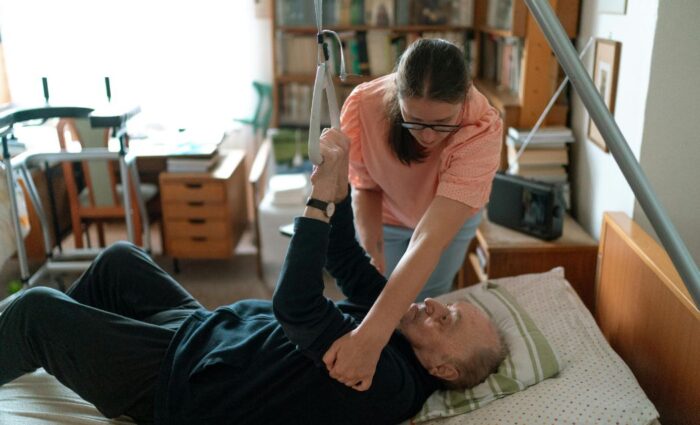
How Professional Home Healthcare Services Provide Safe and Comfortable Medical Care at Home In recent years, the demand for home healthcare services has grown significantly as patients and families seek more convenient, personalized, and comfortable care options. Receiving medical care at home not only reduces the need for frequent hospital visits but also promotes faster recovery in a familiar environment. NIAC @Home is at the forefront of delivering reliable and professional home healthcare solutions, ensuring patients receive high-quality care without compromising safety or comfort. Personalized Home Healthcare for Better Recovery One of the primary advantages of home healthcare services is the ability to provide individualized care. Unlike hospitals, where attention is divided among multiple patients, home-based care focuses entirely on one individual. NIAC @Home designs customized care plans based on the patient’s medical condition, recovery goals, and lifestyle needs. Whether it is post-surgical recovery, chronic disease management, or elderly care, personalized attention leads to better outcomes and enhanced patient satisfaction. Importance of Skilled Home Nursing Services A key component of effective home care is home nursing services. Skilled nurses play a crucial role in monitoring vital signs, administering medications, managing wounds, and providing specialized treatments. NIAC @Home ensures that all nursing staff are trained and experienced, maintaining hospital-level standards in a home setting. This not only ensures continuity of care but also reduces the risk of complications and readmissions. Another important aspect is the availability of a trained attendant at home. For patients who require assistance with daily activities such as bathing, mobility, feeding, and hygiene, attendants provide essential support. NIAC @Home carefully selects and trains attendants to ensure compassionate and respectful care. This support is especially valuable for elderly patients and individuals recovering from major illnesses or surgeries. The role of an elder caretaker at home is equally significant. Elderly individuals often need ongoing supervision, companionship, and medical support. NIAC @Home offers dedicated elder care services that focus on both physical and emotional well-being. From medication reminders to mobility assistance and regular health monitoring, elder caretakers help improve quality of life while allowing seniors to remain in the comfort of their homes. Safety is a top priority in homehealthcare services. NIAC @Home follows strict hygiene and infection control protocols to ensure a safe environment during every visit. Healthcare professionals use sanitized equipment and adhere to best practices, minimizing the risk of infections. Additionally, regular monitoring and timely interventions help detect any changes in the patient’s condition early, preventing complications. One of the most significant benefits of medical care at home is emotional comfort. Being surrounded by family members and familiar surroundings reduces stress and anxiety, which can positively impact recovery. Patients often feel more relaxed and cooperative, leading to better adherence to treatment plans. NIAC @Home recognizes the importance of this emotional aspect and integrates compassionate care into every service. Convenience is another major factor driving the popularity of home healthcare. Frequent hospital visits can be physically exhausting and time-consuming, especially for elderly or critically ill patients. Benefits of Safe, Convenient, and Cost-Effective Home Healthcare With NIAC @Home, essential medical services are brought directly to the patient’s doorstep. This not only saves time but also reduces the burden on caregivers and family members. Technology and coordination further enhance the effectiveness of home healthcare services. NIAC @Home ensures proper communication between healthcare providers, patients, and families. Regular updates, follow-ups, and structured care plans help maintain transparency and continuity of care. This integrated approach improves clinical outcomes and builds trust among patients. Moreover, home healthcare is often a cost-effective alternative to prolonged hospital stays. By receiving medical care at home, patients can avoid unnecessary hospitalization expenses while still receiving high-quality treatment. NIAC @Home offers flexible and affordable care options tailored to different needs, making healthcare more accessible. Conclusion Professional home healthcare services provide a safe, comfortable, and efficient way to receive medical care at home. With services such as home nursing services, trained attendants at home, and dedicated elder caretakers at home, NIAC @Home ensures comprehensive care for patients of all ages. By combining medical expertise, personalized attention, and compassionate support, NIAC @Home continues to transform healthcare delivery—bringing quality care directly to where it matters most: home.
Basic Life Support
 

Why BLS Training is Essential for Healthcare Professionals and First Responders – NIAC

Why BLS Training is Essential for Healthcare Professionals and First Responders – NIAC In emergency medical situations, the ability to respond quickly and effectively can make the difference between life and death. This is why a BLS training course is a fundamental requirement for healthcare professionals and first responders. Basic Life Support (BLS) focuses on immediate life-saving interventions such as CPR, airway management, and the use of automated external defibrillators (AED). NIAC offers comprehensive training programs that lead to basic life support certification, ensuring participants are fully equipped to handle real-life emergencies with confidence and precision. One of the most critical components of any BLS training course is CPR training. Cardiopulmonary resuscitation is often the first intervention in cases of cardiac arrest, and timely administration can significantly improve survival rates. NIAC’s CPR training emphasizes correct technique, rhythm, and depth of compressions, along with rescue breathing and AED usage. By mastering these skills, healthcare professionals and first responders can maintain circulation and oxygen supply until advanced care becomes available. A structured BLS training course not only teaches techniques but also enhances the ability to recognize emergencies early. Identifying signs of cardiac arrest, respiratory distress, or airway obstruction allows responders to act immediately. NIAC ensures that its participants understand these early warning signs and are trained to initiate appropriate interventions without delay. This proactive approach is crucial in reducing complications and improving patient outcomes. Basic Life Support Certification Obtaining a basic life support certification is also essential for maintaining professional standards in healthcare. Many hospitals and healthcare organizations require their staff to be BLS-certified to ensure readiness in emergency situations. NIAC’s certification programs are aligned with recognized guidelines and include both theoretical knowledge and hands-on practice. This ensures that participants are not only certified but also competent in applying their skills in real-world scenarios. For first responders such as paramedics, ambulance personnel, and emergency staff, BLS training serves as the foundation of pre-hospital care. These individuals are often the first to reach a patient, and their actions in the initial minutes are critical. NIAC’s training programs focus on practical simulations and scenario-based learning, enabling responders to perform effectively under pressure. Through repeated practice and expert guidance, participants gain the confidence needed to manage emergencies efficiently. Another key benefit of BLS training is improved teamwork and coordination. In emergency situations, multiple responders often work together. A shared understanding of BLS protocols ensures smooth communication and efficient role allocation. NIAC incorporates team-based training exercises that reflect real-life emergency conditions, helping participants develop coordination and leadership skills. BLS Training BLS training also plays a significant role in expanding emergency preparedness beyond clinical settings. With the right CPR training and certification, individuals can respond to emergencies in public places, workplaces, or even at home. This broader impact contributes to creating safer communities where more people are capable of providing immediate assistance when needed. NIAC stands out in delivering high-quality BLS training courses through experienced instructors, updated protocols, and hands-on learning methods. Participants are trained using advanced mannequins and realistic simulations, ensuring that they are well-prepared for actual emergencies. The focus is not just on passing a certification but on building life-saving competence. Conclusion Enrolling in a BLS training course, obtaining basic life support certification, and mastering CPR training are essential steps for healthcare professionals and first responders. These skills empower individuals to act decisively during critical moments, ultimately saving lives. NIAC’s commitment to delivering comprehensive and practical training ensures that every participant is equipped with the knowledge, skills, and confidence required to handle emergencies effectively.
Intensive Care Services
 

How Intensive Care Services Save Lives During Medical Emergencies

How Intensive Care Services Save Lives During Medical Emergencies NIAC Outsourced ICU, ER & OT Solutions Medical emergencies demand immediate, precise, and high-quality care. In such critical moments, intensive care services become the backbone of survival. Intensive Care Unit (ICU) A well-equipped intensive care unit (ICU), supported by emergency response systems and operation theatre (OT) readiness, plays a decisive role in saving lives. NIAC specializes in outsourcing advanced hospital services—including ICU, emergency room (ER), and OT setups—with highly skilled anesthesiologists, ensuring hospitals are always prepared to handle life-threatening situations efficiently. Critical Care Services At the core of critical care services is continuous monitoring. Patients admitted to the ICU often face unstable and rapidly changing conditions such as cardiac arrest, respiratory failure, severe infections, or trauma. NIAC-supported ICU setups are equipped with advanced monitoring systems that track vital parameters like heart rate, oxygen saturation, blood pressure, and neurological status in real time. This allows healthcare teams to identify deterioration instantly and initiate life-saving interventions without delay. ICU Services One of the most vital components of ICU services is the availability of advanced life support systems. Ventilators, infusion pumps, defibrillators, and dialysis machines are essential for sustaining organ function during emergencies. NIAC ensures that partner hospitals are equipped with these critical technologies, enabling them to manage complex cases effectively. This level of preparedness significantly improves survival outcomes, especially in cases of severe respiratory distress, multi-organ failure, or post-operative complications. NIAC’s outsourced model brings an additional advantage Access to specialized anesthesiologists and critical care experts. These professionals play a crucial role not only in surgical procedures but also in managing critically ill patients. Their expertise in airway management, pain control, sedation, and hemodynamic stabilization ensures that patients receive expert care during emergencies and surgeries alike. In the OT, anesthesiologists are central to maintaining patient stability, while in the ICU, they contribute to critical decision-making and advanced interventions. Emergency response is further strengthened through NIAC’s integrated ER and ICU coordination. In time-sensitive conditions such as stroke, trauma, or cardiac events, the seamless transition from ER to ICU can be life-saving. NIAC’s structured workflows and trained teams ensure rapid triage, immediate stabilization, and timely escalation to intensive care. This reduces delays, minimizes complications, and enhances the chances of recovery. Another key aspect of NIAC’s critical care services is post-operative management. After major surgeries, patients require close observation and specialized support that only an ICU can provide. NIAC’s OT and ICU integration ensures that patients receive continuous care from surgery to recovery. Early detection of complications such as bleeding, infection, or organ dysfunction allows for prompt treatment and better outcomes. Infection control and patient safety are also central to effective intensive care services. Critically ill patients are highly vulnerable, making strict hygiene protocols essential. NIAC implements standardized infection control measures, ensuring safe environments in ICUs, ERs, and OTs. This reduces hospital-acquired infections and supports faster recovery. Moreover, NIAC’s outsourcing model helps hospitals enhance their capabilities without heavy infrastructure or staffing burdens. By providing ready-to-deploy ICU, ER, and OT services along with expert anesthesiologists, NIAC enables hospitals to deliver high-quality care consistently. This is especially valuable in regions where access to specialized critical care expertise may be limited. Beyond clinical care, NIAC also emphasizes communication and coordination. Families of critically ill patients often experience anxiety and uncertainty. Clear communication, regular updates, and compassionate care help build trust and provide reassurance during challenging times. Conclusion Intensive care services are essential for saving lives during medical emergencies, and NIAC’s outsourced ICU, ER, and OT solutions significantly strengthen this capability. By combining advanced technology, skilled professionals, and efficient systems, NIAC empowers hospitals to deliver timely, effective, and life-saving care when it matters most. Through its commitment to excellence and innovation, NIAC continues to play a vital role in improving emergency healthcare outcomes.
Critical care NIAC
 

The Future Of Critical Care: How 21st-Century Technologies Are Transforming ICUs

By NIAC Health Desk  Critical care medicine is undergoing a transformation unlike any other period in modern healthcare. With growing patient loads, shortage of intensivists, and increasing complexity of life-threatening illnesses, new technologies are redefining how ICUs function – and how lives are saved. From AI-powered monitoring to Tele-ICU networks, genome-driven treatment decisions, and advanced organ-support therapies like ECMO, the future is already here. A New Era of Remote Critical Care Tele-ICU is emerging as one of the strongest pillars of modern intensive care. Multiple global studies (Young et al., Chen et al.) show that remote monitoring by intensivists reduces mortality, shortens ICU stays, and prevents clinical deterioration. In India, Tele-ICU adoption has skyrocketed due to specialist shortages and the need for 24×7 expert oversight– especially in Tier-2 and Tier-3 cities. NIAC Pvt Ltd has been at the forefront, supporting partner hospitals with real-time monitoring, video assessment, early warning alerts, and treatment guidance. Rural hospitals now have access to the same level of expertise as large urban centers. ECMO: The Lifeline for Failing Organs Extracorporeal Membrane Oxygenation (ECMO) was first used in humans in the early 1970s by Dr. Robert Bartlett, ECMO faced early challenges – coagulation activation, platelet consumption, hemolysis, and limitations in circuit design. Modern ECMO systems incorporate biocompatible tubing, heparin-coated circuits, high-efficiency oxygenators, centrifugal pumps, and precision coagulation monitoring using anti-Xa assays and viscoelastic tests. These advances have significantly reduced complications such as bleeding, thrombosis, and circuit clot formation. Today, ECMO is widely used in refractory cardiac failure, postcardiotomy shock, severe ARDS, septic shock, and extracorporeal CPR (E-CPR). The CESAR Trial (2009) demonstrated improved survival in severe respiratory failure, while subsequent meta-analyses (Munshi et al., 2019; Combes et al.) showed reduced mortality when ECMO is initiated early in appropriate candidates. The COVID-19 pandemic further established ECMO as a crucial rescue therapy.  Continuous Renal Replacement Therapy (CRRT) Traditional dialysis is usually performed on an intermittent schedule – typically a few sessions each week. However, this approach is not always ideal for critically ill patients who may experience unstable blood pressure during rapid fluid shifts. To address this challenge, Peter Kramer introduced continuous arteriovenous hemofiltration (CAVH) in 1977.  With continued advancement in equipment and techniques, CAVH eventually led to the development of continuous veno-venous hemofiltration (CVVH), which is widely used in ICUs today. CVVH operates continuously over 24 hours, offering smoother and more controlled fluid management. Over a period of 48 hours, CVVH is capable of removing more fluid compared to standard intermittent dialysis, making it extremely helpful for patients who have undergone significant fluid resuscitation. It is also beneficial for conditions such as cerebral edema, where maintaining stable blood pressure and osmolar balance is crucial. CVVH clearly offers advantages in specific groups of critically ill patients, particularly those with unstable circulation, brain swelling, or severe fluid overload. For these reasons, CRRT modalities like CVVH have become an integral component of modern intensive care practice since the early 21st century. AI, Automation & Predictive Analytics Artificial Intelligence (AI) is reshaping the future of intensive care, bringing unprecedented speed, accuracy, and predictive power to clinical decision-making. At its core, AI uses advanced algorithms that allow machines to recognize patterns, interpret data, make inferences, and support complex medical decisions. Today, AI-driven tools are increasingly being integrated into real-world ICU environments. Regulatory bodies such as the FDA have approved several medical AI applications – ranging from cardiac rhythm interpretation platforms (like DeepRhythmAI) to smart respiratory monitoring systems (such as Apple’s IRNF App and NuvoAir’s Air Next). These solutions assist clinicians with continuous monitoring and early detection of deterioration. The COVID-19 pandemic accelerated AI innovation in critical care. Advanced models were developed to interpret chest X-rays and identify patients at higher risk of complications. Research teams from institutions like Mount Sinai and the University of Minnesota collaborated with major digital health partners to create rapid diagnostic and prognostic AI systems. Tools such as COViage and CLEWICU are now capable of predicting critical events like respiratory failure, hypotension, and the need for intubation – providing clinicians with crucial lead time to intervene. AI is no longer a futuristic concept in critical care – it is an essential tool helping ICU teams make faster, smarter, and more personalized decisions that ultimately save lives. Genome-Based Precision Medicine The next revolution comes from inside the patient – their DNA. Genomic sequencing is helping determine how patients respond to infections, drugs, and immunotherapies.In critical care, genomics is guiding: Early identification of sepsis-prone individuals Predicting drug metabolism (pharmacogenomics) Tailoring ventilatory and sedation strategies Understanding inflammatory response patterns Personalized ICU medicine is no longer a concept – it is becoming standard practice. Biomarkers: Fast, Accurate, Life-Saving Biomarkers like procalcitonin, lactate, BNP, troponin, IL-6, and D-dimer are transforming bedside decision-making. They help clinicians: Identify infections faster than cultures Assess severity of shock Predict organ failure Decide when to de-escalate antibiotics Monitor response to therapies Combining biomarkers with AI and tele-monitoring provides unprecedented accuracy in early diagnosis. Infection Control Evolves Beyond Hand Hygiene ICUs still face an alarming 19% infection rate – far higher than general wards. Innovations such as UV-C decontamination, electronic hand-hygiene monitoring, vaccination protocols, and biocontainment units are now standard strategies to combat healthcare-associated infections  . Patient-Centered ICU Care Modern ICUs prioritize not just survival, but overall patient well-being. Tools like family-centred rounds, virtual visitation, education platforms, and patient-controlled comfort systems redefine the emotional and psychological experience of critical illness – a major shift from older, machine-dominated care models  . THE BOTTOM LINE Critical care medicine is no longer confined to physical ICU walls. With tele-ICU expansion, AI-guided decision support, advanced organ-support therapies like ECMO, and robust infection-control technologies, hospitals across the world – including underserved regions – can now offer care once limited to elite tertiary centers. The 21st-century ICU is fast becoming a fusion of human expertise, digital oversight, and precision-driven interventions – ultimately improving survival, safety, and equity in healthcare.
anesthesia
 

Do you want to know about the person who is going to make you sleep before you are going under the knife?

Hi, I am Your Anesthesiologist! Do you want to know about the person who is going to make you sleep before you are going under the knife? The field of Anesthesiology has grown enormously in recent decades. Yet unfortunately, the role of the Anesthesiologist often remains unclear to so many people and even those who pass through a surgical procedure may not come to know completely about the role played by his or her Anesthesiologist during the entire perioperative period. For most patients, the very first interaction with their Anesthesiologist happens only a few minutes before surgery — a time when anxiety and fear are at their peak. Yes! you must know him or her. Taking a moment to understand who your Anesthesiologist is, and what they do, can ease those worries and help you feel safer and more confident before your procedure. Who is an Anesthesiologist? An Anesthesiologist is a highly trained doctor — after MBBS, they complete years of specialization (MD, DNB) in Anesthesia, critical care, and pain management. But they do much more than “just put you to sleep.” They assess your physical, mental and psychological health before surgery and may optimise your health for the best surgical outcome. They meticulously review your medical history, allergies, and ongoing medications. This is done when your surgeon send you to an Anesthesiologist under Pre-Anesthetic check-up programme known in short PAC. Before any surgery, one of the most important steps is the pre-anesthesia check-up (PAC). This is when your Anesthesiologist meets you ahead of surgery. They subsequently choose the safest Anesthesia plan tailored for you. Monitor your vital parameters minute by minute and do timely intervention whenever needed while you are undergoing a surgery. Ensure smooth, clear-headed and pain-free recovery afterwards. They are your silent guardian in the operation theatre — keeping you safe, comfortable, and cared. Anesthesiologists: More than the OT Anesthesiologists are not just “operation theatre doctors.” Their expertise extends far beyond surgery: Critical Care Specialists – Leading ICU management and handling life-support systems. Pain Physicians – Providing relief in chronic conditions like back pain, cancer pain, and nerve-related pain. Emergency Responders – Experts in resuscitation, trauma care, and life-saving interventions. Why Talking to Your Anesthesiologist Matters Understand Your Options – Take time to discuss the type of anesthesia being planned for you. Knowing the approach helps you feel prepared and aware. Share Your Full Health Story – Be open about smoking, alcohol habits, past surgeries, allergies, or family history. Even details that feel small can significantly impact your safety and care. Ease Anxiety – Meeting your anesthesiologist before surgery builds trust, reduces fear, and gives you confidence going into the procedure. Plan for Pain Relief – Talk about pain management after surgery. Options may include epidurals, nerve blocks, or patient-controlled methods tailored to your comfort. Labour Analgesia Experts – Epidural analgesia is considered a miraculous way to conduct normal delivery, ensuring safe, painless childbirth through epidural techniques. A short conversation can go a long way in making your surgical journey smoother and safer. Take-Home Message You must understand that your anesthesiologist is as vital as your surgeon — they are your safety partner throughout surgery. Meeting them, asking questions, and understanding their role reduces fear and empowers you to actively participate in your own care. Dr. Niraj Mishra is an experienced Anesthesiologist and Critical Care specialist with a strong background in perioperative care, ICU management, and emergency medicine. As Director of NIAC Pvt. Ltd., he leads initiatives in hospital administration, Tele-ICU solutions, and advanced critical care services, with a focus on patient safety, quality, and innovation in healthcare delivery.
 

Anesthesia Explained Clearly: Types, Risks, and Future Trends

Anesthesia Explained Clearly: Types, Risks, and Future Trends Anesthesia stands as one of the most remarkable achievements in medical history, revolutionizing surgical procedures and alleviating human suffering. Defined as the reversible loss of sensation and consciousness, anesthesia enables surgeons to perform intricate operations while ensuring patients remain pain-free and unaware. Historical Evolution: The history of anesthesia is a testament to human ingenuity and perseverance. Before the advent of modern anesthesia, surgery was a perilous endeavor often accompanied by excruciating pain and high mortality rates. Ancient civilizations employed various crude methods such as herbal concoctions, alcohol, and blunt force trauma to induce unconsciousness during surgical procedures. However, these methods were unreliable and frequently led to Historical Evolution: The history of anesthesia is a testament to human ingenuity and perseverance. Before the advent of modern anesthesia, surgery was a perilous endeavor often accompanied by excruciating pain and high mortality rates. Ancient civilizations employed various crude methods such as herbal concoctions, alcohol, and blunt force trauma to induce unconsciousness during surgical procedures. However, these methods were unreliable and frequently led to complications. The breakthrough in anesthesia came in the 19th century with the discovery of ether and chloroform. In 1846, William T.G. Morton administered ether during a surgical procedure at the Massachusetts General Hospital, marking the dawn of modern anesthesia. Subsequently, chloroform gained popularity due to its rapid induction and pleasant odor, although its toxicity led to a decline in usage. These pioneering efforts laid the foundation for the development of safer and more effective anesthetic agents. Mechanisms of Action: Anesthetic agents exert their effects by disrupting neuronal signaling pathways in the central nervous system (CNS), leading to loss of consciousness, analgesia, and muscle relaxation. The precise mechanisms of action vary depending on the type of anesthesia employed. General anesthesia, the most common form, involves administering a combination of intravenous and inhaled agents to induce a state of unconsciousness and immobility. Inhaled anesthetics such as sevoflurane and desflurane act by modulating neurotransmitter release and receptor activity in the brain, particularly targeting gamma-aminobutyric acid (GABA) receptors. Intravenous agents like propofol and thiopental enhance GABAergic neurotransmission while inhibiting excitatory pathways, facilitating the induction and maintenance of anesthesia. Regional anesthesia, on the other hand, targets specific nerve pathways to block sensation in a localized region of the body. Techniques such as epidural and spinal anesthesia involve injecting local anesthetics into the epidural or subarachnoid space, respectively, to produce analgesia and motor blockade without affecting consciousness. These methods are commonly employed for obstetric, orthopedic, and pain management procedures. Types of Anesthesia: Anesthesia encompasses a spectrum of techniques tailored to meet the diverse needs of patients undergoing surgical interventions. General anesthesia remains the gold standard for complex and invasive procedures, ensuring complete unconsciousness and muscle relaxation. It offers profound control over physiological variables such as heart rate, blood pressure, and respiratory function, enhancing surgical precision and safety. Regional anesthesia serves as a valuable adjunct or alternative to general anesthesia, providing targeted pain relief and minimizing systemic side effects. Peripheral nerve blocks, such as brachial plexus and femoral nerve blocks, offer effective analgesia for upper and lower limb surgeries, reducing the need for systemic opioids and their associated adverse effects. Moreover, regional techniques facilitate early postoperative mobilization and enhance recovery outcomes. In recent years, there has been a growing interest in multimodal anesthesia approaches that combine various techniques to optimize perioperative care. Enhanced recovery after surgery (ERAS) protocols incorporate elements such as preoperative fasting optimization, intraoperative goal-directed fluid therapy, and postoperative pain management strategies to expedite recovery and reduce hospital stay. Risks and Complications: Despite its widespread use, anesthesia is not without risks, and complications can arise due to individual patient factors, surgical procedures, or anesthesia-related factors. Anesthesia-related mortality is rare but remains a concern, with estimates ranging from 1 in 10,000 to 1 in 100,000 cases. Common adverse events include postoperative nausea and vomiting (PONV), respiratory depression, and cognitive dysfunction. Patient-specific factors such as advanced age, comorbidities, and concurrent medication use can increase the risk of anesthesia-related complications. Elderly patients are particularly vulnerable due to age-related changes in drug metabolism, reduced physiological reserve, and higher prevalence of chronic diseases. Preoperative assessment and optimization are crucial for identifying and mitigating these risks. Surgical procedures also influence the choice of anesthesia and the likelihood of complications. High-risk surgeries involving major trauma, prolonged duration, or extensive tissue manipulation pose a greater risk of perioperative morbidity and mortality. Anesthetic management strategies must be tailored to the specific requirements of each procedure and patient to minimize adverse outcomes. Advancements in Anesthesia: The field of anesthesia continues to evolve rapidly, driven by advancements in pharmacology, technology, and perioperative medicine. Novel anesthetic agents with improved safety profiles and faster onset/offset kinetics are constantly being developed to enhance patient comfort and facilitate rapid recovery. Intravenous anesthetics like dexmedetomidine and ketamine offer unique advantages such as sedative and analgesic-sparing effects, making them valuable adjuncts in anesthesia practice. Furthermore, advancements in monitoring technology have revolutionized perioperative care by enabling real-time assessment of vital signs, depth of anesthesia, and organ function. Devices such as bispectral index (BIS) monitors and processed electroencephalography (EEG) monitors provide objective measures of anesthetic depth, reducing the risk of awareness and ensuring optimal dosing. The integration of ultrasound guidance has transformed regional anesthesia practice by improving accuracy, efficacy, and safety. Ultrasound enables precise visualization of anatomical structures and needle placement, minimizing the risk of inadvertent nerve injury and enhancing block success rates. Additionally, the advent of point-of-care ultrasound (POCUS) has expanded the scope of regional anesthesia beyond the operating room, allowing for bedside procedures in intensive care units and emergency departments. Conclusion: In conclusion, anesthesia represents a cornerstone of modern medicine, enabling safe and effective surgical interventions while minimizing patient discomfort and complications. From its humble beginnings with ether and chloroform to the sophisticated techniques and agents available today, anesthesia has undergone a remarkable evolution driven by scientific innovation and clinical expertise. Despite the inherent risks, anesthesia continues to play a pivotal role in
 

Revolutionizing ICU Care with NIAC’s Command Center Technology

Revolutionizing ICU Care with NIAC’s Command Center Technology Introduce the transformative role of technology in modern healthcare, specifically within Intensive Care Units (ICUs). Highlight the significance of remote patient monitoring and its potential to revolutionize ICU care. Set the stage for exploring NIAC’s Command Center Technology as a pioneering solution in this domain. Centralization for Enhanced Monitoring: Explore the concept of centralized remote monitoring and its benefits in ICU settings. Explain how NIAC’s Command Center acts as a centralized hub for overseeing multiple ICU units from a single location. Illustrate the efficiency gains and streamlined operations achieved through centralization. Real-Time Insights for Informed Decision-Making: Detail the real-time data capabilities of NIAC’s Command Center, encompassing vital signs, lab results, and medication records. Discuss how access to real-time data empowers healthcare professionals to make timely and informed decisions. Provide examples of how proactive interventions based on real-time insights have positively impacted patient outcomes. Facilitating Seamless Collaboration: Showcase how NIAC’s Command Center fosters collaboration among healthcare teams, irrespective of geographical constraints. Highlight the secure communication channels utilized for remote consultations and expert collaboration. Discuss the role of interdisciplinary teamwork in optimizing patient care delivery. Comprehensive Patient-Centered Care: Emphasize the holistic approach enabled by NIAC’s Command Center, focusing on personalized patient care. Explain how the integration of diverse data streams supports comprehensive patient assessment and individualized treatment plans. Illustrate instances where comprehensive care led to improved patient safety and satisfaction. Optimizing Efficiency and Resource Utilization: Evaluate the impact of NIAC’s Command Center on operational efficiency and resource optimization within ICU settings. Discuss how data-driven insights enhance workflow management and resource allocation. Highlight the cost-saving benefits associated with optimized resource utilization and streamlined operations. Flexibility and Future-Readiness: Showcase the scalability and adaptability of NIAC’s Command Center technology to evolving healthcare needs. Discuss examples of how the system has evolved to meet new challenges or incorporate emerging technologies. Illustrate how NIAC’s Command Center remains at the forefront of innovation, poised to shape the future of ICU care. Conclusion: Summarize the key insights into NIAC’s Command Center Technology and its transformative impact on ICU care. Reinforce the potential of technology-driven solutions to drive continuous improvement and patient-centered care in healthcare. Encourage further exploration and adoption of remote patient monitoring technologies to unlock new possibilities in critical care delivery.
 

Exploring the Depths: The Intricacies of General Anesthesia

Exploring the Depths: The Intricacies of General Anesthesia The modern medicine, few advancements have been as transformative and pivotal as the development of general anesthesia. This remarkable innovation has revolutionized surgery and patient care by enabling a state of unconsciousness, ensuring pain-free medical procedures. From routine surgeries to complex interventions, the administration of general anesthesia plays a crucial role in ensuring both patient comfort and surgical success. Let’s delve into the intricate world of general anesthesia, exploring its mechanisms, applications, and the profound impact it has on modern healthcare. Understanding General Anesthesia: General anesthesia is a sophisticated interplay of pharmacology, physiology, and patient safety. Unlike local or regional anesthesia, which targets specific areas, general anesthesia renders the patient completely unconscious and unaware of surgical proceedings. Achieving this requires a careful balance of drugs that act on the central nervous system, suppressing consciousness, memory formation, and the body’s response to pain. The Components of Anesthesia: General anesthesia typically involves three primary phases: Induction: This marks the initiation of anesthesia, transitioning the patient from wakefulness to unconsciousness. Through intravenous medications or inhaled anesthetics, or a combination of both, anesthesia providers induce and maintain the desired depth of anesthesia, tailored to each patient’s needs. Maintenance: Once unconsciousness is achieved, anesthesia must be carefully maintained throughout the surgical procedure. Anesthesia providers continuously monitor vital signs and adjust medication doses to ensure stability and optimal surgical conditions. Emergence: As the procedure concludes, anesthesia is gradually tapered off to allow for the patient’s smooth return to consciousness. Close monitoring and supportive care continue until the patient is fully awake and stable. The Role of Anesthesia Providers: Anesthesia administration is a specialized field requiring expertise and attention to detail. Anesthesiologists and nurse anesthetists are integral in every stage of the process, from pre-operative assessments to post-operative care, ensuring patient safety and comfort. Applications of General Anesthesia: General anesthesia finds applications beyond the operating room, including: Surgical Procedures: Enabling surgeries of varying complexity with precision and minimal patient discomfort. Diagnostic Imaging: Ensuring patient immobility for optimal imaging quality, particularly in sensitive cases. Electroconvulsive Therapy (ECT): Facilitating therapy sessions for psychiatric disorders, minimizing discomfort and risk. Emergency Medicine: Prompt administration for life-saving interventions in critical situations. Challenges and Innovations: Despite its benefits, general anesthesia presents challenges and risks. Ongoing research and technological advancements aim to enhance safety and efficacy, with innovations ranging from monitoring devices to refined protocols tailored to individual patients. Conclusion: General anesthesia stands as a cornerstone of modern healthcare, facilitating essential medical procedures while prioritizing patient comfort and safety. As technology and understanding evolve, anesthesia providers remain committed to advancing techniques and ensuring the highest standard of care. In this dynamic landscape, the exploration of general anesthesia continues, promising further improvements and innovations for the benefit of patients worldwide.
 

Types of Anesthesia | Niraj Intensive And Anesthesia Care (NIAC)

Types of Anesthesia Niraj Intensive And Anesthesia Care (NIAC) Anesthesia, the art of pain management and unconsciousness induction, is a cornerstone of modern medicine. It’s a diverse field, offering various types tailored to specific medical needs and patient comfort levels. Let’s uncover the different types of anesthesia and their applications in the medical world. General Anesthesia: General anesthesia is the most comprehensive form, rendering patients completely unconscious and pain-free during medical procedures. It’s like entering a deep sleep, where you’re unaware of the world around you. Usage: General anesthesia is indispensable for major surgeries and complex medical procedures requiring complete unconsciousness and muscle relaxation. It ensures patient safety and comfort during procedures ranging from heart surgeries to brain operations. Regional Anesthesia: Regional anesthesia targets specific nerve pathways to block sensation in a particular region of the body, while the patient remains conscious. It’s like creating a pain-free zone in the midst of wakefulness. Subtypes:  Epidural anesthesia: Administered into the epidural space around the spinal cord, often used in childbirth and lower body surgeries.  Spinal anesthesia: Injected directly into the cerebrospinal fluid in the lower back, providing profound anesthesia for lower abdominal and limb surgeries.  Peripheral nerve blocks: Injection near major nerves to block sensation in a specific body part. Usage: Regional anesthesia finds applications in surgeries where targeted pain relief is necessary, such as orthopedic procedures, childbirth, and certain abdominal surgeries. Local Anesthesia: Local anesthesia numbs a specific area of the body, allowing procedures to be performed without pain while the patient remains conscious. It’s like turning off the pain switch for a localized region. Usage: Local anesthesia is ideal for minor surgical procedures, dental work, and dermatological treatments. It provides effective pain relief without the need for general sedation. Sedation: Sedation induces a state of relaxation and drowsiness, often used alongside local or regional anesthesia to enhance patient comfort. It’s like drifting into a peaceful nap while remaining responsive to stimuli. Levels:  Minimal sedation: Produces mild relaxation while allowing patients to remain awake and responsive.  Moderate sedation (conscious sedation): Depresses consciousness to a deeper level while enabling patients to respond to verbal commands. Deep sedation: Induces a state of profound unconsciousness, often used in more invasive procedures. Usage: Sedation is employed in various medical settings, including minor procedures, endoscopies, dental treatments, and diagnostic tests, to alleviate anxiety and discomfort. Conclusion: Anesthesia, in its myriad forms, revolutionizes medical care by ensuring patient comfort and safety during procedures. Understanding the different types of anesthesia and their applications empowers healthcare providers to deliver tailored anesthesia regimens suited to individual patient needs and procedural requirements. Whether it’s the comprehensive unconsciousness of general anesthesia, the targeted pain relief of regional anesthesia, the localized numbing of local anesthesia, or the gentle relaxation of sedation, each type plays a crucial role in optimizing patient outcomes and enhancing the overall medical experience.
 

Navigating the Anesthesia Journey: Understanding Patients’ Emotional Experience

Navigating the Anesthesia Journey: Understanding Patients’ Emotional Experience Picture this: You’re in a hospital room, awaiting surgery. Your heart races, your palms sweat, and a whirlwind of thoughts fills your mind. Beyond the medical procedures lies an often-overlooked aspect of healthcare—the psychological  journey patients undergo with anesthesia. In this blog post, we’ll embark on a deeply human exploration of the emotions surrounding anesthesia, from pre-operative nerves to the haze of post-operative recovery. Pre-Operative Anxiety: Facing Fears and Uncertainties The journey begins long before the operating room lights flicker on. It starts with the anxious moments in the waiting area, where uncertainty reigns supreme. You may be grappling with worries about the procedure, fears of the unknown, or simply the anticipation of what’s to come. It’s perfectly natural to feel this way; after all, your well-being is at stake. In this vulnerable state, a warm smile, a reassuring touch, or a clear explanation from your healthcare provider can work wonders. These small gestures can help ease your mind, provide a sense of comfort, and instill trust in the medical team. Remember, you’re not alone in this journey. The Anesthesia Induction: Letting Go and Trusting the Experts As you’re wheeled into the operating room, a mix of emotions swirl within you—nervousness, vulnerability, perhaps even a hint of relief that the wait is over. You meet the anesthesia team, and as they prepare to administer the drugs, you take a deep breath and surrender control. It’s a leap of faith, entrusting your consciousness to the skilled hands of the professionals. During this pivotal moment, the kindness and empathy of the anesthesia provider can make all the difference. Their gentle reassurance, soothing words, and calming presence help ease your transition into unconsciousness. In that fleeting moment before you drift away, you find solace in knowing that you’re in good hands. The Anesthesia Experience: Journeying into the Unknown As anesthesia takes effect, you embark on a voyage into uncharted territories of the mind. The sensation is surreal—like floating on a cloud, detached from the world around you. Dreams and fleeting memories dance at the edges of your consciousness, painting a surreal tapestry of sensations. In this altered state, your brain continues to hum with activity, weaving a delicate dance between reality and imagination. The experience is as unique as you are, a kaleidoscope of thoughts, emotions, and perceptions. Though you may not remember it all, there’s a sense of wonder in the mystery of the anesthesia journey.   Post-Operative Recovery: Navigating the Foggy Aftermath As you slowly awaken from the depths of anesthesia, the world comes back into focus, albeit hazily. Your mind feels fuzzy, your body sluggish, and time seems to warp and bend. It’s a disorienting sensation, like emerging from a deep slumber into a new reality.   In these moments of grogginess and confusion, the care and support of your healthcare team shine bright. They guide you gently through the fog of post-operative recovery, offering comforting words, gentle reassurance, and a helping hand. With each passing moment, clarity returns, and you find yourself one step closer to healing.   Conclusion: In the labyrinth of the anesthesia journey, emotions run deep, from the butterflies in your stomach before surgery to the foggy haze of post-operative recovery. By acknowledging and humanizing these experiences, healthcare providers can cultivate a compassionate and empathetic approach to patient care. Through kindness, understanding, and personalized support, we can transform the anesthesia journey into a voyage of healing and hope. After all, in the tapestry of healthcare, it’s the human connection that stitches us all together.  

Contact Us

(24/7 Support Line)
10am-> 05 pm
Democracy Blvd.

Follow Us