

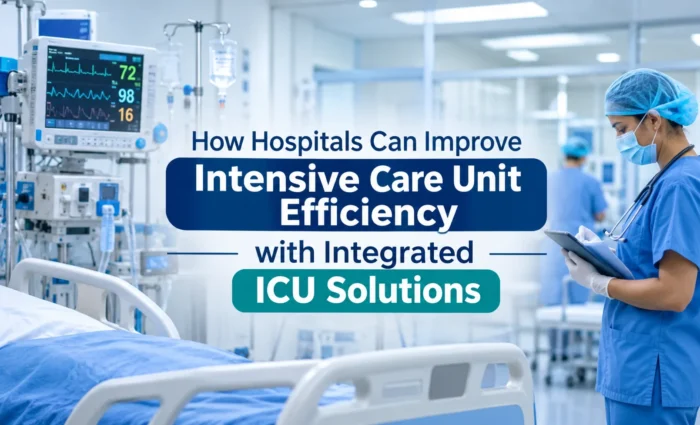
How Hospitals Can Improve Intensive Care Unit Efficiency with Integrated ICU Solutions
An Intensive Care Unit (ICU) requires proper clinical planning, experienced doctors and reliable infrastructure to manage patients with critical healthcare needs. Hospitals must coordinate medical professionals, equipment and daily clinical activities to maintain efficient operations.
Managing these requirements becomes challenging when patient workloads change or specialist availability becomes limited. Hospitals need a structured approach that addresses clinical staffing, communication and resource utilization. Suitable ICU Solutions can help hospitals organize these requirements according to their operational needs.
Ensure Consistent Clinical Coverage
Experienced intensivists and critical care doctors play an important role in hospital ICU operations. Their clinical expertise supports medical supervision, patient assessment and coordination of critical care activities.
Hospitals must plan specialist availability according to patient workload, duty schedules and clinical requirements. Gaps in doctor availability can create difficulties in maintaining consistent supervision, particularly when hospitals experience changes in patient admissions.
Arranging experienced doctors according to operational requirements helps hospitals maintain appropriate clinical coverage and support their existing medical infrastructure.
Improve Communication Across Clinical Departments
ICU operations involve regular communication between intensivists, nurses, surgeons and other healthcare professionals. Each department must share relevant clinical information to coordinate patient care and daily responsibilities.
Hospitals can improve communication by establishing clear reporting procedures, organized shift handovers and defined responsibilities for medical staff. Coordination between the ICU, emergency department and other clinical departments also helps healthcare professionals manage patient transfers and related activities.
Clear communication reduces avoidable workflow gaps and helps staff coordinate their responsibilities more effectively.
Optimize the Use of Medical Resources
Hospitals must manage medical equipment, available staff and ICU infrastructure according to their operational capacity. Poor resource allocation can affect daily activities and create difficulties when patient workloads increase.
Hospital administrators should regularly assess equipment availability, staffing requirements and ICU bed occupancy. These assessments help identify resource gaps and support better planning for patient admissions and transfers.
Effective resource utilization also allows hospitals to make informed decisions about their existing infrastructure before investing in additional facilities.
Establish Reliable Monitoring and Reporting
Patient monitoring requires suitable medical equipment, regular clinical observation and timely communication with responsible doctors. Hospitals must ensure that monitoring arrangements match the clinical requirements of their facilities.
Digital monitoring systems can help healthcare professionals access relevant patient information and coordinate clinical reporting. Hospitals should also establish clear procedures for reviewing clinical updates and communicating significant changes in patient conditions.
The appropriate use of monitoring technology supports clinical supervision without replacing the role of responsible medical professionals.
ICU Operations with Hospital Workload
ICU requirements differ between hospitals depending on their patient volume, available infrastructure, specialist coverage and clinical services. A hospital with changing admission patterns may need a different staffing and operational approach from a facility with a consistent workload.
Hospital administrators should evaluate existing clinical capacity, duty schedules and specialist requirements before making operational decisions. This assessment helps identify areas where additional critical care support may be necessary.
Planning according to actual hospital requirements also helps decision-makers select suitable critical care arrangements without making unnecessary changes to existing facilities.
Select Suitable ICU Support Services
Some hospitals require additional specialist support to manage changing workloads, doctor availability or clinical coverage requirements. In such situations, external critical care service providers can help address specific staffing and clinical support needs.
Before selecting a provider, hospitals should evaluate the experience of available doctors, service coverage, coordination processes and the provider’s ability to understand hospital-specific requirements.
The right support arrangement should complement existing hospital resources and align with its clinical responsibilities and operational schedules.
How NIAC Supports Hospital ICU Operations
NIAC provides ICU management and critical care support for hospitals and healthcare facilities. NIAC helps hospitals address specialist coverage and clinical staffing requirements through experienced doctors.
The services align with hospital workload, operational schedules and existing clinical infrastructure. Hospitals can explore NIAC’s Intensive Care Unit services to understand the available support arrangements for their facilities.
Conclusion
Efficient ICU operations depend on experienced doctors, organized clinical workflows, appropriate resource utilization and reliable monitoring arrangements. Hospitals can strengthen their existing facilities by identifying operational gaps and planning specialist support according to their requirements.
With suitable ICU Solutions, healthcare facilities can organize clinical responsibilities more effectively and manage changing critical care demands.
Looking for experienced doctors and critical care support for your hospital? Connect with NIAC to discuss your requirements.