

Exploring the Depths: The Intricacies of General Anesthesia

Exploring the Depths: The Intricacies of General Anesthesia The modern medicine, few advancements have been as transformative and pivotal as the development of general anesthesia. This remarkable innovation has revolutionized surgery and patient care by enabling a state of unconsciousness, ensuring pain-free medical procedures. From routine surgeries to complex interventions, the administration of general anesthesia plays a crucial role in ensuring both patient comfort and surgical success. Let’s delve into the intricate world of general anesthesia, exploring its mechanisms, applications, and the profound impact it has on modern healthcare. Understanding General Anesthesia: General anesthesia is a sophisticated interplay of pharmacology, physiology, and patient safety. Unlike local or regional anesthesia, which targets specific areas, general anesthesia renders the patient completely unconscious and unaware of surgical proceedings. Achieving this requires a careful balance of drugs that act on the central nervous system, suppressing consciousness, memory formation, and the body’s response to pain. The Components of Anesthesia: General anesthesia typically involves three primary phases: Induction: This marks the initiation of anesthesia, transitioning the patient from wakefulness to unconsciousness. Through intravenous medications or inhaled anesthetics, or a combination of both, anesthesia providers induce and maintain the desired depth of anesthesia, tailored to each patient’s needs. Maintenance: Once unconsciousness is achieved, anesthesia must be carefully maintained throughout the surgical procedure. Anesthesia providers continuously monitor vital signs and adjust medication doses to ensure stability and optimal surgical conditions. Emergence: As the procedure concludes, anesthesia is gradually tapered off to allow for the patient’s smooth return to consciousness. Close monitoring and supportive care continue until the patient is fully awake and stable. The Role of Anesthesia Providers: Anesthesia administration is a specialized field requiring expertise and attention to detail. Anesthesiologists and nurse anesthetists are integral in every stage of the process, from pre-operative assessments to post-operative care, ensuring patient safety and comfort. Applications of General Anesthesia: General anesthesia finds applications beyond the operating room, including: Surgical Procedures: Enabling surgeries of varying complexity with precision and minimal patient discomfort. Diagnostic Imaging: Ensuring patient immobility for optimal imaging quality, particularly in sensitive cases. Electroconvulsive Therapy (ECT): Facilitating therapy sessions for psychiatric disorders, minimizing discomfort and risk. Emergency Medicine: Prompt administration for life-saving interventions in critical situations. Challenges and Innovations: Despite its benefits, general anesthesia presents challenges and risks. Ongoing research and technological advancements aim to enhance safety and efficacy, with innovations ranging from monitoring devices to refined protocols tailored to individual patients. Conclusion: General anesthesia stands as a cornerstone of modern healthcare, facilitating essential medical procedures while prioritizing patient comfort and safety. As technology and understanding evolve, anesthesia providers remain committed to advancing techniques and ensuring the highest standard of care. In this dynamic landscape, the exploration of general anesthesia continues, promising further improvements and innovations for the benefit of patients worldwide.
 

Types of Anesthesia | Niraj Intensive And Anesthesia Care (NIAC)

Types of Anesthesia Niraj Intensive And Anesthesia Care (NIAC) Anesthesia, the art of pain management and unconsciousness induction, is a cornerstone of modern medicine. It’s a diverse field, offering various types tailored to specific medical needs and patient comfort levels. Let’s uncover the different types of anesthesia and their applications in the medical world. General Anesthesia: General anesthesia is the most comprehensive form, rendering patients completely unconscious and pain-free during medical procedures. It’s like entering a deep sleep, where you’re unaware of the world around you. Usage: General anesthesia is indispensable for major surgeries and complex medical procedures requiring complete unconsciousness and muscle relaxation. It ensures patient safety and comfort during procedures ranging from heart surgeries to brain operations. Regional Anesthesia: Regional anesthesia targets specific nerve pathways to block sensation in a particular region of the body, while the patient remains conscious. It’s like creating a pain-free zone in the midst of wakefulness. Subtypes:  Epidural anesthesia: Administered into the epidural space around the spinal cord, often used in childbirth and lower body surgeries.  Spinal anesthesia: Injected directly into the cerebrospinal fluid in the lower back, providing profound anesthesia for lower abdominal and limb surgeries.  Peripheral nerve blocks: Injection near major nerves to block sensation in a specific body part. Usage: Regional anesthesia finds applications in surgeries where targeted pain relief is necessary, such as orthopedic procedures, childbirth, and certain abdominal surgeries. Local Anesthesia: Local anesthesia numbs a specific area of the body, allowing procedures to be performed without pain while the patient remains conscious. It’s like turning off the pain switch for a localized region. Usage: Local anesthesia is ideal for minor surgical procedures, dental work, and dermatological treatments. It provides effective pain relief without the need for general sedation. Sedation: Sedation induces a state of relaxation and drowsiness, often used alongside local or regional anesthesia to enhance patient comfort. It’s like drifting into a peaceful nap while remaining responsive to stimuli. Levels:  Minimal sedation: Produces mild relaxation while allowing patients to remain awake and responsive.  Moderate sedation (conscious sedation): Depresses consciousness to a deeper level while enabling patients to respond to verbal commands. Deep sedation: Induces a state of profound unconsciousness, often used in more invasive procedures. Usage: Sedation is employed in various medical settings, including minor procedures, endoscopies, dental treatments, and diagnostic tests, to alleviate anxiety and discomfort. Conclusion: Anesthesia, in its myriad forms, revolutionizes medical care by ensuring patient comfort and safety during procedures. Understanding the different types of anesthesia and their applications empowers healthcare providers to deliver tailored anesthesia regimens suited to individual patient needs and procedural requirements. Whether it’s the comprehensive unconsciousness of general anesthesia, the targeted pain relief of regional anesthesia, the localized numbing of local anesthesia, or the gentle relaxation of sedation, each type plays a crucial role in optimizing patient outcomes and enhancing the overall medical experience.
 

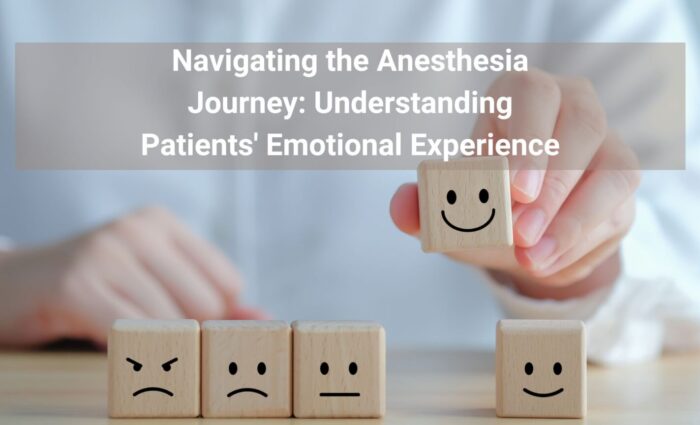
Navigating the Anesthesia Journey: Understanding Patients’ Emotional Experience

Navigating the Anesthesia Journey: Understanding Patients’ Emotional Experience Picture this: You’re in a hospital room, awaiting surgery. Your heart races, your palms sweat, and a whirlwind of thoughts fills your mind. Beyond the medical procedures lies an often-overlooked aspect of healthcare—the psychological  journey patients undergo with anesthesia. In this blog post, we’ll embark on a deeply human exploration of the emotions surrounding anesthesia, from pre-operative nerves to the haze of post-operative recovery. Pre-Operative Anxiety: Facing Fears and Uncertainties The journey begins long before the operating room lights flicker on. It starts with the anxious moments in the waiting area, where uncertainty reigns supreme. You may be grappling with worries about the procedure, fears of the unknown, or simply the anticipation of what’s to come. It’s perfectly natural to feel this way; after all, your well-being is at stake. In this vulnerable state, a warm smile, a reassuring touch, or a clear explanation from your healthcare provider can work wonders. These small gestures can help ease your mind, provide a sense of comfort, and instill trust in the medical team. Remember, you’re not alone in this journey. The Anesthesia Induction: Letting Go and Trusting the Experts As you’re wheeled into the operating room, a mix of emotions swirl within you—nervousness, vulnerability, perhaps even a hint of relief that the wait is over. You meet the anesthesia team, and as they prepare to administer the drugs, you take a deep breath and surrender control. It’s a leap of faith, entrusting your consciousness to the skilled hands of the professionals. During this pivotal moment, the kindness and empathy of the anesthesia provider can make all the difference. Their gentle reassurance, soothing words, and calming presence help ease your transition into unconsciousness. In that fleeting moment before you drift away, you find solace in knowing that you’re in good hands. The Anesthesia Experience: Journeying into the Unknown As anesthesia takes effect, you embark on a voyage into uncharted territories of the mind. The sensation is surreal—like floating on a cloud, detached from the world around you. Dreams and fleeting memories dance at the edges of your consciousness, painting a surreal tapestry of sensations. In this altered state, your brain continues to hum with activity, weaving a delicate dance between reality and imagination. The experience is as unique as you are, a kaleidoscope of thoughts, emotions, and perceptions. Though you may not remember it all, there’s a sense of wonder in the mystery of the anesthesia journey.   Post-Operative Recovery: Navigating the Foggy Aftermath As you slowly awaken from the depths of anesthesia, the world comes back into focus, albeit hazily. Your mind feels fuzzy, your body sluggish, and time seems to warp and bend. It’s a disorienting sensation, like emerging from a deep slumber into a new reality.   In these moments of grogginess and confusion, the care and support of your healthcare team shine bright. They guide you gently through the fog of post-operative recovery, offering comforting words, gentle reassurance, and a helping hand. With each passing moment, clarity returns, and you find yourself one step closer to healing.   Conclusion: In the labyrinth of the anesthesia journey, emotions run deep, from the butterflies in your stomach before surgery to the foggy haze of post-operative recovery. By acknowledging and humanizing these experiences, healthcare providers can cultivate a compassionate and empathetic approach to patient care. Through kindness, understanding, and personalized support, we can transform the anesthesia journey into a voyage of healing and hope. After all, in the tapestry of healthcare, it’s the human connection that stitches us all together.  
 

The Evolution of Anesthesiology: A Historical Movement

The Evolution of Anesthesiology: A Historical Movement The Birth of Modern Anesthesia (1846) William T.G. Morton’s Discovery: William T.G. Morton, a Boston dentist, discovered the use of ether as a safe and effective anesthetic agent. This was a groundbreaking moment in medical history, as it marked the beginning of modern anesthesia. First Successful Surgical Procedure with Anesthesia: Morton, along with surgeon John Collins Warren, performed the first successful surgical procedure with anesthesia on October 16, 1846. This procedure demonstrated the power of anesthesia in revolutionizing surgical care. Development of Endotracheal Tubes Joseph O’Dwyer’s Contribution: Joseph O’Dwyer, a pediatrician, used metal “O’Dwyer” tubes in diphtheria cases and passed them into the trachea blindly. This was one of the first accounts of using endotracheal tubes for airway management. Cuffed Tubes and Positive Pressure Ventilation: Arthur Guedel and Ralph M. Waters added a cuff to the tube in 1932, enabling positive pressure ventilation. This innovation greatly improved the safety and effectiveness of endotracheal intubation. Advances in Laryngoscopy Chevalier Jackson’s Handheld Laryngoscope: Chevalier Jackson promoted his handheld laryngoscope for endotracheal tube insertion. This device made it easier and safer to insert endotracheal tubes, reducing the risk of complications. Sir Robert Reynolds Macintosh’s Breakthrough Technique: Sir Robert Reynolds Macintosh developed a breakthrough technique of direct laryngoscopy in 1937, describing the routine placement of the laryngoscope in the epiglottic vallecula. This technique provided a better view of the larynx, making it easier to insert endotracheal tubes. Intravenous Anesthetics Barbiturates and the Beginning of IV Anesthesia: Barbiturates were first used as intravenous anesthetics in 1932. This marked the beginning of IV anesthesia, which would go on to revolutionize the field of anesthesiology. Sodium Thiopental and Its Popularity: Sodium thiopental gained popularity after its use was described by Dr. John Lundy of the Mayo Clinic. This drug became a widely used IV anesthetic, known for its rapid onset and short duration of action. Propofol: A New Era in IV Anesthesia: Propofol, introduced in 1977, demonstrated many positive effects, including a shorter recovery period and suppression of laryngeal reflexes. This drug has become a popular choice for IV anesthesia, known for its rapid onset and short duration of action. The Future of Anesthesiology Integration of New Technologies and Fields: The integration of evidence-based medicine, genetics, transplantation, imaging radiology, and stem cells into mainstream medicine promises an excellent future for anesthesiology. These advancements will continue to improve patient care and outcomes. Continued Progress and Advancements: The progress made in anesthesiology since 1846 has transformed the field, and we can expect continued advancements in the years to come. As new technologies and techniques emerge, anesthesiologists will continue to improve patient care and outcomes.
 

Empowering Everyday Heroes: The Vital Role of Basic Life Support

Empowering Everyday Heroes: The Vital Role of Basic Life Support Basic Life Support (BLS). Often the first line of defense in emergencies, BLS is not just a set of skills; it is a beacon of hope wielded by everyday heroes. Let’s explore the vital role of Basic Life Support, the gateway to saving lives in critical moments. Foundations of Basic Life Support: Basic Life Support is the cornerstone of emergency care, providing immediate assistance to individuals facing life-threatening situations. Rooted in simplicity yet possessing profound impact, BLS techniques are designed for anyone, regardless of medical expertise, to administer crucial aid until professional help arrives. The ABCs of BLS: At the core of BLS lies a simple yet systematic approach encapsulated in the ABCs — Airway, Breathing, and Circulation. Initiating with checking the Airway for obstructions, assessing Breathing, and ensuring Circulation through chest compressions forms the fundamental triad that can make a life-or-death difference in critical moments. Empowering Everyday Heroes: One of the remarkable aspects of BLS is its accessibility to everyone. You don’t need to be a medical professional to be a hero. BLS empowers individuals from all walks of life — parents, teachers, coworkers, and bystanders — to step in as first responders during emergencies, bridging the crucial gap until professional medical assistance arrives. Hands-Only CPR: Making a Difference: Cardiopulmonary Resuscitation (CPR) is a central component of BLS, and the concept of Hands-Only CPR has emerged as a game-changer. Simplifying the process, it emphasizes uninterrupted chest compressions to maintain blood circulation, making it more likely for bystanders to step in and provide immediate aid. Defibrillation: Shocking Moments to Save Lives: In certain emergencies, the use of automated external defibrillators (AEDs) becomes paramount. BLS training includes the proper use of AEDs, empowering individuals to deliver electric shocks when necessary, restoring the heart’s rhythm and significantly improving the chances of survival in cases of sudden cardiac arrest. Training for Preparedness: While BLS techniques are simple, proper training is essential. BLS courses are widely available, equipping individuals with the skills and confidence needed to respond effectively to emergencies. These courses cover not only CPR and AED use but also the crucial aspects of recognizing signs of distress and activating emergency medical services. BLS for Caregivers: Essential Skills for Everyday Heroes: When we think of heroes, we often picture caped crusaders or action movie stars. But let’s be real: the true heroes are often those who care for others every day. Whether you’re a family member, a friend, or a professional caregiver, your role is vital. One of the most important skills you can have is Basic Life Support (BLS). This is not just a certification; it’s a lifeline. So, let’s dive into why BLS is essential for caregivers like you. BLS training is not just for medical professionals: It’s designed for everyday heroes like you. You may think, “I’m just a caregiver; I don’t need to know this.” But the truth is, emergencies can happen anywhere, anytime. Whether you’re at home, in a park, or at a family gathering, being prepared can mean the difference between life and death. So, don’t underestimate your ability to make a significant impact with the right knowledge. Key BLS Skills Every Caregiver Should Master: Now that you know why BLS is crucial, let’s talk about the specific skills you should master. First up is CPR, or cardiopulmonary resuscitation. This technique can help keep blood flowing to vital organs when someone’s heart stops. Learning how to perform chest compressions and rescue breaths is empowering. You’ll feel more prepared to handle emergencies, and that confidence can be contagious! The Joy of Being Prepared: There’s something wonderfully reassuring about being prepared. Think of it as having a superhero toolkit. When you know BLS, you’re not just a caregiver; you’re a prepared caregiver. You’re equipped to handle emergencies with grace and poise. Plus, the skills you learn can extend beyond your caregiving duties. You’ll find yourself more aware of safety practices in everyday life, from cooking to outdoor activities. Being trained in BLS can also create a sense of community. You might find yourself encouraging friends and family to take a class with you. Imagine the bonding experience of learning these essential skills together! You’ll not only be enhancing your own abilities but also creating a network of prepared individuals who can support one another in times of need. Who knows, you might even inspire someone to become a caregiver themselves! So, what are you waiting for? If you haven’t already, consider enrolling in a BLS course. Many organizations offer classes that fit your schedule. You’ll learn from experienced instructors and practice hands-on techniques. Plus, you’ll walk away with a certification that showcases your commitment to safety and care. Being a caregiver is a noble calling, and having BLS skills makes you an even bigger hero in your loved ones’ eyes. Community Impact: The ripple effect of BLS extends beyond individual responses. Communities that prioritize BLS training create a network of preparedness. Schools, workplaces, and public spaces that champion BLS training contribute to a culture of safety, fostering a community of everyday heroes ready to respond when seconds count. Conclusion: In the delicate balance between life and its fragility, Basic Life Support emerges as a powerful force, turning ordinary individuals into heroes. By arming ourselves with the fundamental ABCs of BLS, we become stewards of life, ready to intervene in critical moments. BLS is more than a set of skills; it is a collective commitment to creating a world where everyone has the potential to be a lifesaver, making each community a safer and more resilient haven for all.
 

Navigating the Realm of Serenity: The Art and Science of Anesthesia

Navigating the Realm of Serenity: The Art and Science of Anesthesia In the intricate dance of surgery, where precision meets vulnerability, there exists a silent hero – Anesthesia. Beyond its role in inducing a state of unconsciousness, anesthesia is a symphony of skills, science, and compassion. Let’s delve into the captivating world of anesthesia, where skilled hands and advanced knowledge come together to ensure a patient’s journey through surgery is serene and pain-free. The Art of Inducing Unconsciousness: Anesthesia is often synonymous with the induction of unconsciousness, a carefully choreographed act led by an anesthesiologist. The expertise lies not just in administering the right dosage but in tailoring it to the individual needs of each patient. It’s a delicate balance, a craft where the goal is to create a state of profound tranquility while maintaining vital functions. Beyond Unconsciousness: Anesthesia, however, is not a one-size-fits-all solution. Modern anesthesia encompasses a spectrum of techniques, each tailored to the specifics of the medical procedure and the patient’s health. From general anesthesia, where the patient is fully unconscious, to regional anesthesia, which targets a specific part of the body, and local anesthesia, which numbs a small area – the choices are as varied as the medical scenarios they address. Guardians of Comfort: Anesthesiologists: At the heart of anesthesia lies the skill and compassion of anesthesiologists. These medical guardians are not just experts in administering anesthesia; they are vigilant caretakers of the patient’s well-being throughout the surgical journey. Their role extends beyond the operating room, encompassing pre-operative assessments, intraoperative monitoring, and post-operative care. Unraveling the Mystery of Pain Management: Anesthesia is not just about inducing unconsciousness; it’s equally about managing pain. Anesthesiologists play a pivotal role in ensuring patients wake up with minimal discomfort. Techniques such as patient-controlled analgesia and regional anesthesia help to extend the soothing effects of anesthesia into the post-operative phase, fostering a smoother recovery process. Technological Advancements in Anesthesia: The landscape of anesthesia is continually evolving, propelled by technological advancements. From state-of-the-art monitoring devices ensuring real-time assessment of vital signs to precision-controlled delivery systems, technology is enhancing the safety and efficacy of anesthesia, contributing to better patient outcomes. Anesthesia in the Age of Specialization: As medical disciplines become increasingly specialized, so does the field of anesthesia. Subspecialties like pediatric anesthesia, obstetric anesthesia, and cardiothoracic anesthesia have emerged, each demanding a unique set of skills and insights. Anesthesiologists, equipped with specialized knowledge, bring a tailored approach to diverse patient populations. Conclusion: In the tapestry of healthcare, anesthesia is the brushstroke that brings comfort to the canvas of surgery. Beyond the realm of inducing unconsciousness, anesthesia is a holistic experience, blending art and science to ensure patients traverse the surgical journey with serenity. In the hands of skilled anesthesiologists and propelled by technological advancements, anesthesia continues to evolve, promising a future where the gift of pain-free surgery is not just a luxury but a universal standard of care.

Contact Us

(24/7 Support Line)
10am-> 05 pm
Democracy Blvd.

Follow Us