
A Complete Guide to Basic Life Support Training and Life-Saving Emergency Skills
In today’s fast-paced world, medical emergencies can occur anytime and anywhere. Whether it is a sudden cardiac arrest, choking, or respiratory failure, immediate action can save lives. This is where Basic Life Support (BLS) training becomes essential. NIAC offers structured and practical BLS programs designed to equip healthcare professionals and first responders with critical life-saving skills.
Importance of BLS Training
Understanding the importance of BLS training and mastering key interventions can significantly improve survival outcomes during emergencies. The importance of BLS training lies in its ability to prepare individuals to respond effectively during the first few crucial minutes of an emergency. In many cases, professional medical help may take time to arrive. BLS-trained individuals can step in immediately, providing essential care that stabilizes the patient. NIAC’s training programs emphasize early recognition of emergencies, rapid response, and adherence to standardized protocols, ensuring that participants are ready to act without hesitation.
CPR Life Saving Techniques
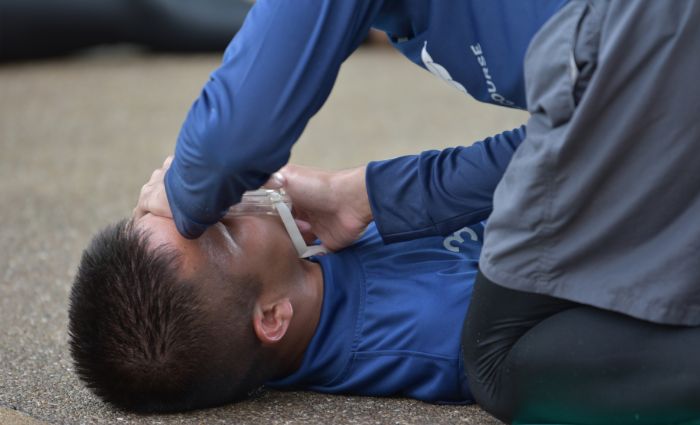
One of the core components of BLS is mastering CPR life saving techniques. Cardiopulmonary resuscitation (CPR) is a critical intervention used when a person’s heart stops beating. By performing chest compressions and rescue breaths, CPR helps maintain blood circulation and oxygen supply to vital organs, especially the brain. NIAC’s BLS training provides hands-on practice in CPR techniques, ensuring correct compression depth, rate, and ventilation methods. Participants also learn how to use Automated External Defibrillators (AEDs), which can restore normal heart rhythm in cardiac arrest cases.
In addition to CPR, BLS training covers a range of emergency skills that are vital in real-life situations. These include airway management, handling choking incidents, and assisting individuals experiencing breathing difficulties. NIAC ensures that trainees are exposed to realistic scenarios, enabling them to apply their knowledge in high-pressure environments. This practical approach builds confidence and enhances decision-making abilities during emergencies.
Another critical aspect of BLS training is the ability to recognize warning signs early. Identifying symptoms such as chest pain, unresponsiveness, or abnormal breathing allows for immediate intervention. NIAC’s programs focus on teaching participants how to assess a situation quickly and prioritize actions effectively. This early response can prevent complications and increase the chances of survival.
Teamwork and coordination are also emphasized in BLS training. In many emergency situations, multiple responders may be involved. Clear communication and role allocation are essential for efficient management. NIAC incorporates team-based exercises into its training modules, helping participants understand how to work together seamlessly during critical moments.
The importance of BLS training extends beyond healthcare professionals. While doctors, nurses, and paramedics benefit greatly from these skills, BLS training is equally valuable for non-medical individuals. Security personnel, teachers, corporate employees, and community members can all play a vital role in emergency response. NIAC’s inclusive training approach ensures that a wider population is equipped with essential life-saving skills, contributing to safer communities.
NIAC stands out for its commitment to high-quality training and practical learning. The BLS programs are conducted by experienced instructors who follow updated guidelines and best practices. Participants receive hands-on training using advanced mannequins and simulation tools, ensuring they are well-prepared for real-world emergencies. The focus is not just on theoretical knowledge but on building confidence and competence in applying CPR life saving techniques and other emergency interventions.
Another advantage of NIAC’s BLS training is its structured certification process. Participants who successfully complete the program receive certification, which is often required by healthcare institutions and organizations. This certification reflects a standard level of competence and readiness to handle emergencies effectively.
Conclusion
Basic Life Support training is a critical skill set that can save lives during emergencies. By understanding the importance of BLS training, mastering CPR life saving techniques, and developing essential emergency response skills, individuals can make a significant difference in critical situations. NIAC’s comprehensive BLS programs empower participants with the knowledge, skills, and confidence needed to act swiftly and effectively. In moments where every second counts, being trained in BLS is not just beneficial—it is life-saving.