
Tele ICU Monitoring
Tele-ICU monitoring is an advanced system that enables continuous, real-time supervision of critically ill patients from a centralized command center. It combines high-resolution
audio-visual technology, live vital parameter tracking, and integrated clinical data systems to ensure 24×7 expert oversight of ICU patients—regardless of geographical location.
In traditional ICUs, patient monitoring depends largely on onsite teams. However, staffing limitations and the shortage of trained intensivists can impact response times, especially during night shifts or emergencies. Tele-ICU monitoring addresses this gap by connecting bedside monitors, ventilators, infusion pumps, and hospital information systems to a remote team of critical care specialists.
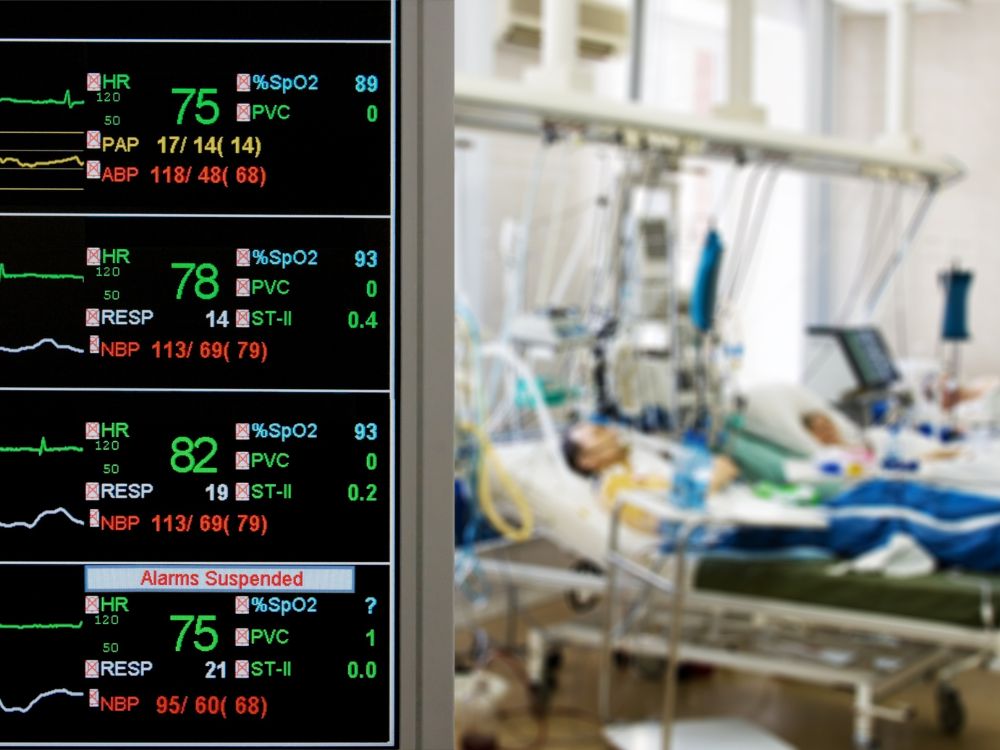
Through centralized dashboards, remote intensivists can observe heart rate, blood pressure, oxygen saturation, respiratory rate, ventilator settings, urine output, and laboratory results in real time. Automated alert systems flag abnormal trends such as hypotension, hypoxia, arrhythmias, or sepsis indicators, enabling early intervention before complications escalate. This proactive model significantly improves patient safety and clinical outcomes.
A structured escalation protocol is a key component of Tele-ICU monitoring. When critical parameters cross predefined thresholds, alerts are generated and communicated instantly to both remote specialists and onsite teams. This ensures rapid clinical decision-making and coordinated action.
NIACsync, the proprietary Tele-ICU software platform, powers seamless remote monitoring by integrating bedside devices with HIS and LIS systems. NIACsync provides real-time alerts, clinical documentation support, audit trails, and secure communication between the command center and the hospital ICU team. The platform enhances transparency, standardization, and compliance with quality accreditation requirements.
Tele-ICU monitoring is scalable and adaptable. Hospitals can opt for full 24×7 monitoring, night-time coverage, or second-opinion services. It is particularly beneficial for hospitals in remote areas or facilities without full-time intensivist availability.
Beyond patient monitoring, the system supports data-driven quality improvement. Analytics dashboards help track ICU performance indicators, infection rates, ventilator days, and response times. Continuous supervision and mentoring also strengthen the clinical skills of onsite staff.
With rising ICU complexity and increasing demand for specialized care, Tele-ICU monitoring represents a modern, technology-enabled approach to delivering consistent, high-quality critical care across locations.
