

Intensive Care Unit Agra
Intensive Care Unit in Agra
Agra is rapidly developing as a critical care hub, with many hospitals running modern ICUs supported by advanced monitoring, ventilators, and trained critical care teams. NIAC Pvt. Ltd. fits into this ecosystem by adding technology, manpower, and Tele‑ICU expertise that help even smaller hospitals deliver metro‑level ICU care.
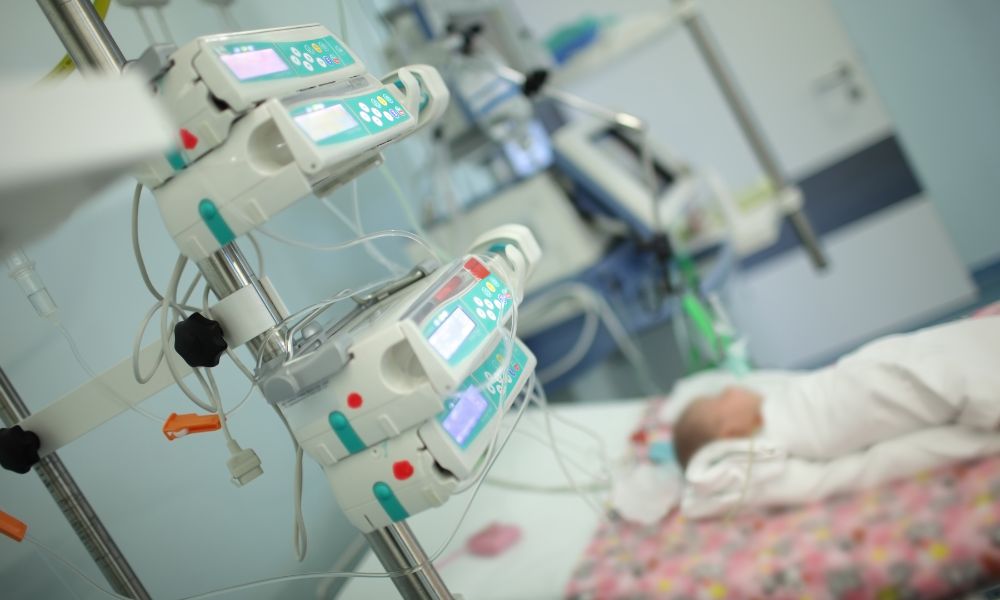
ICU facilities in Agra
Hospitals in Agra operate ICUs equipped with ventilators, multiparameter monitors, syringe/infusion pumps, defibrillators, central oxygen, and round‑the‑clock specialist coverage to manage cardiac events, trauma, sepsis, respiratory failure, neurological crises, and post‑operative complications. Dedicated critical‑care nurses and intensivists provide continuous observation and rapid interventions, improving survival in life‑threatening conditions. NIAC Pvt Ltd strengthens hospital ICUs by providing round-the-clock management through its own team of intensivists and critical care anesthesiologists. With protocol-driven care, continuous monitoring, and rapid emergency response, NIAC ensures that every patient receives timely, expert attention.
How NIAC strengthens ICUs
NIAC Pvt. Ltd. can enhance Agra’s ICU network through Tele‑ICU platforms that stream real‑time vitals, trigger early‑warning alerts, and enable instant video/voice consults with senior intensivists at any hour. Its support for remote chart reviews, protocol‑driven care bundles, and ICU manpower (doctors and trained nurses) helps hospitals lower mortality, improve sepsis and ventilator management, and reduce length of stay.
Benefits of Tele‑ICU for smaller hospitals
Tele‑ICU allows smaller and tier‑2 hospitals to access specialist oversight without needing a full in‑house intensivist team 24×7. Continuous remote monitoring and escalation pathways mean deteriorating patients can be recognized early, stabilised locally, or transferred in a more controlled manner, bringing care standards closer to large metro centres.
Choosing the best ICU in Agra
Families should evaluate:
- Emergency readiness (24×7 ER, rapid response for stroke/heart attack/trauma).
- Quality of equipment (modern ventilators, monitors, bedside dialysis where needed) and infection‑control practices.
- Nurse‑to‑patient ratios, experience of intensivists, and availability of Tele‑ICU or similar digital monitoring for constant expert oversight.
