
ACLS Training Noida
ACLS Training in Noida
In medical emergencies, timely and skilled response can make the difference between life and death. NIAC provides AHA ACLS Training in Noida, empowering healthcare professionals with essential life-saving skills and confidence to manage critical cardiac conditions. Our Advanced Cardiac Life Support (ACLS) course is designed according to the latest international guidelines. It prepares participants to handle cardiac arrest, arrhythmias, and other life-threatening cardiovascular events through structured protocols and simulation-based learning.
Why Choose NIAC for ACLS Training in Noida?
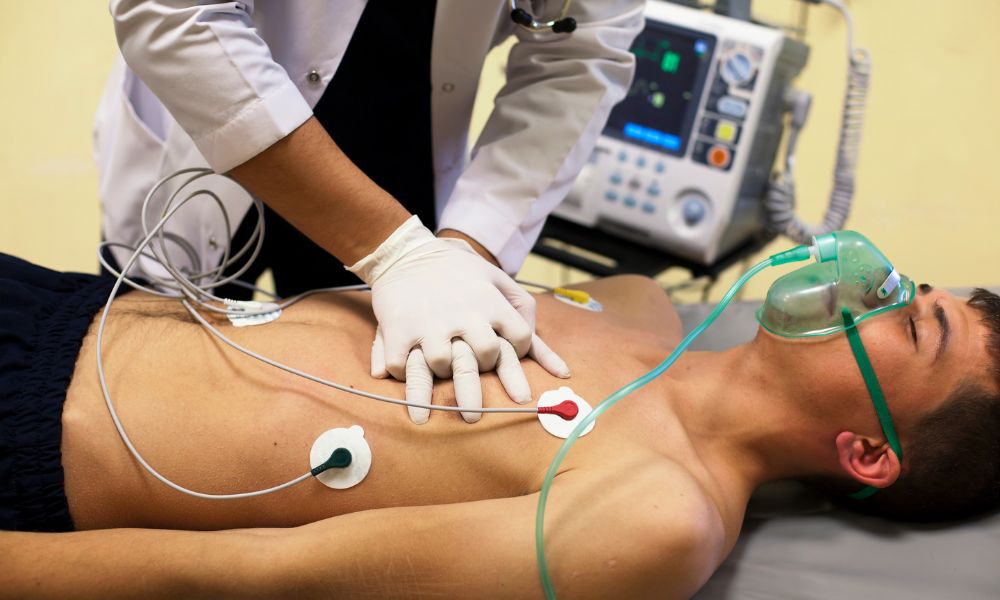
At NIAC, ACLS training combines clinical expertise with hands-on experience using advanced mannequins and defibrillators. The program aligns with AHA-approved standards, ensuring participants are trained in evidence-based techniques followed globally.
The sessions focus on real-life emergency response, teamwork, communication, and critical decision-making. Whether you’re a practicing doctor or a nurse in an ICU, this course enhances your confidence and competence in acute cardiac care.
Key Highlights:
Practical simulation of cardiac arrest and emergency scenarios
- Training in CPR, airway management, and defibrillation
- Guidance from certified ACLS instructors
- Updated emergency drug protocols and team leadership modules
- Certification valid across hospitals and medical institutions
- Small group sessions for better interaction and learning Who Can Enroll in ACLS Training?
- Doctors, anesthetists, and intensivists
- Nurses and paramedics working in ICU, OT, or emergency wards
- Medical interns, PG students, and emergency technicians
- Healthcare professionals aiming to upgrade emergency response skills
Completing the NIAC ACLS certification in Noida enhances professional recognition and ensures readiness during any critical cardiac emergency.
Course Coverage Includes:
- Airway and ventilation management
- Recognition of cardiac rhythms and arrhythmias
- Electrical therapy and defibrillation
- Cardiac arrest algorithms and medications
- Post-resuscitation and stabilization care
