
e-ICU Companies
e-ICU companies are transforming the critical care landscape by introducing centralized digital monitoring systems that extend expert supervision beyond physical hospital boundaries. An e-ICU (Electronic Intensive Care Unit) functions through a command center where trained intensivists and critical care teams remotely monitor ICU patients across multiple hospitals in real time.
The core objective of e-ICU companies is to bridge the gap created by the shortage of full-time intensivists, particularly in tier 2, tier 3, and remote regions.
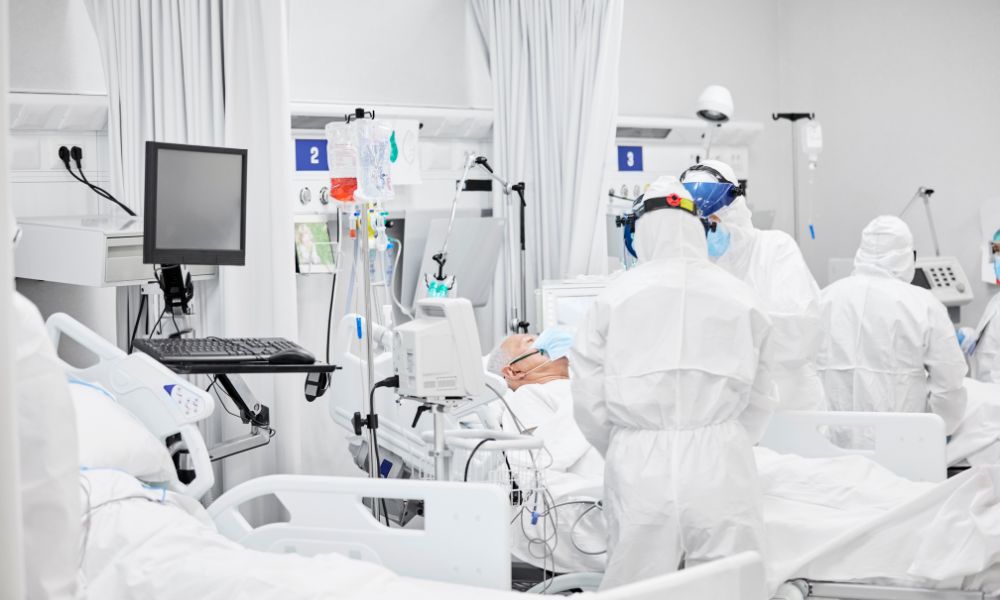
Through secure digital networks, high-definition cameras, and integrated monitoring platforms, patient data—including heart rate, blood pressure, oxygen saturation, ventilator settings, and laboratory results—is transmitted to a central dashboard. This allows specialists to detect early signs of deterioration and intervene promptly.
e-ICU companies focus on structured protocols, rapid escalation pathways, and standardized treatment approaches. When abnormal parameters are identified, automated alerts notify the remote intensivist and the bedside team simultaneously. This dual-layer oversight reduces response time during emergencies and enhances patient safety.
One of the critical success factors in e-ICU operations is the strength of the underlying software system. NIACsync plays a pivotal role as an integrated digital platform that connects bedside monitors, ventilators, Hospital Information Systems (HIS), and Laboratory Information Systems (LIS). NIACsync enables real-time data visualization, automated alerts, electronic documentation, audit trails, and secure communication between the command center and hospital teams. Its role is to ensure seamless coordination, transparency, and adherence to quality standards such as NABH guidelines.
e-ICU companies also contribute to operational efficiency. By providing 24×7 monitoring, night coverage, and second-opinion services, they reduce unnecessary patient transfers and optimize ICU resource utilization. Hospitals benefit from improved clinical outcomes, shorter ICU stays, and better compliance with evidence-based care bundles.
Beyond monitoring, e-ICU providers support training and skill development for onsite staff through case discussions, mentoring, and performance reviews. Data analytics generated by the system help track infection rates, ventilator days, mortality trends, and response times, promoting continuous quality improvement.
As healthcare systems grow more complex, e-ICU companies are becoming essential partners in delivering consistent, high-quality critical care across urban and remote settings.
